
July 24, 2026
Why Fresh Rosemary Actually Matters
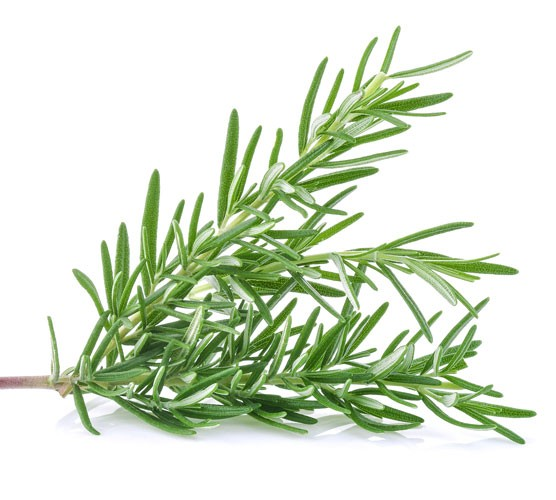
There's a moment every cook knows: you crush a sprig of rosemary between your fingers and the smell hits before the herb even touches the pan. Pine, a little lemon, a little pepper. That's the moment we're growing for.
Most rosemary that reaches a kitchen has already lost that moment. It's been cut, boxed, cooled, shipped, and shelved — sometimes for a week or more — before anyone gets to crush it. What arrives is still technically rosemary. It just isn't that rosemary anymore.
What "fresh" is actually doing
Rosemary's flavour lives in its essential oils — mainly the compounds that give it that sharp, resinous scent. The moment a sprig is cut, those oils start to break down. Heat speeds it up. Time speeds it up. So does bad handling: rough packing, warm trucks, too many hands.
This is why a rosemary sprig that travelled two days behaves differently in a pan than one cut that morning. The older sprig cooks flatter. You end up reaching for more of it, or leaning on salt and extra garlic to make up the difference. The herb is doing less work than it should.
How we try to close that gap
We don't have a dramatic trick here — mostly it's about removing steps between the field and the box.
We cut close to order
, not close to a forecast. Less rosemary sitting around waiting for a buyer.
We handle it cold from the start.
Cutting in the cool of the morning and getting it out of direct sun fast matters more than almost anything else we do.
We pack it loosely
, not crushed into bags. Bruised leaves brown fast and lose oil even faster.
We keep the chain short.
Fewer stops between our rows and your kitchen means fewer chances for the herb to sit somewhere warm.
None of this is complicated. It's mostly discipline — doing the boring, careful thing at every step instead of the fast thing.
What to look for yourself
If you're buying rosemary anywhere, fresh or otherwise, a few quick checks tell you more than the label does:
Snap a stem.
It should break clean, not bend and fray.
Rub a leaf.
The scent should be immediate and sharp, not faint.
Check the tips.
Soft, dark, or blackened tips mean the sprig has been sitting.
We'd rather you learn to spot the difference than take our word for it.
From our rows to your kitchen
Our rosemary grows on well-drained beds that get real sun for most of the day — conditions the plant genuinely likes, which means we're not fighting it to get good oil content. We're expanding what we grow season by season, and we'll be sharing more of that story here as it happens.
If you're a chef, retailer, or home cook curious about sourcing directly, reach out — we're happy to talk through volumes, timing, and what's currently in season.
Vitalicious Fresh — grown with intention, cut close to order.